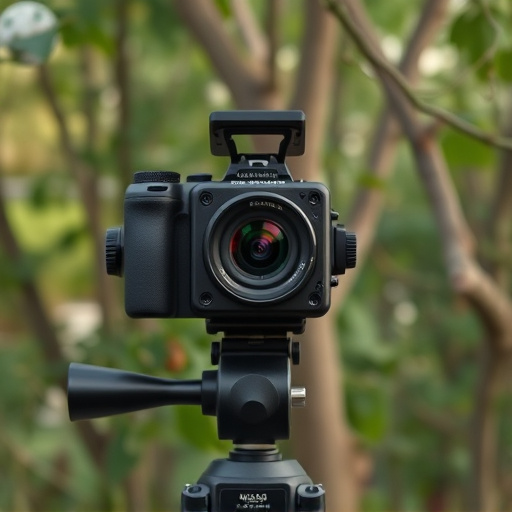
The integration of Spy Camera Artificial Intelligence (AI) Integration has revolutionized hidden recording device detection, making surveillance more sophisticated and pervasive. AI algorithms analyze sensor data at lightning speed, enhancing object recognition, motion detection, and facial identification in real-time. This technology raises ethical concerns about privacy but offers improved security for high-risk environments. As AI continues to evolve, striking a balance between security and privacy will be crucial in addressing the challenges it presents.
Hidden recording devices, known as spy cameras, have become increasingly sophisticated, raising concerns about privacy. This article explores advanced scanning methods to detect these hidden threats, focusing on the integration of artificial intelligence (AI). We delve into the effectiveness of AI in analyzing signals and its role in enhancing security measures. From understanding the prevalence of spy cameras to discussing ethical implications and future prospects, this guide offers valuable insights into the evolving landscape of detection techniques, powered by AI integration.
- Understanding Hidden Recording Devices and Their Prevalence
- The Role of Artificial Intelligence in Signal Scanning
- Advanced AI-Integrated Scanning Techniques
- Ethical Considerations and Legal Implications
- Future Prospects: AI's Evolving Impact on Detection Methods
Understanding Hidden Recording Devices and Their Prevalence
Hidden recording devices, also known as spy cameras, have become increasingly sophisticated with the integration of artificial intelligence (AI). These miniature and often undetectable surveillance tools are proliferating in today’s digital age, finding their way into homes, offices, and even public spaces. The prevalence of these devices highlights a growing concern over privacy and data security.
Advanced AI algorithms enable hidden recording devices to process and analyze vast amounts of visual data in real time, enhancing their effectiveness. This technology allows for improved object recognition, motion detection, and facial identification, making it harder for users to avoid being recorded. As a result, individuals must remain vigilant and proactive in safeguarding their privacy, especially in high-risk environments where such devices might be employed.
The Role of Artificial Intelligence in Signal Scanning
The integration of artificial intelligence (AI) into signal scanning methods has revolutionized the field, especially in the context of hidden recording devices. AI algorithms can analyze vast amounts of data from various sensors and signals far quicker than human operators, making them indispensable for detecting clandestine surveillance equipment. These advanced systems utilize machine learning to identify patterns indicative of spy cameras or other hidden microphones, enhancing accuracy and efficiency.
By employing deep learning models, the AI can learn to recognize subtle anomalies in electromagnetic signatures or audio patterns that might indicate the presence of a hidden camera. This technology is particularly effective in navigating complex environments like large buildings or crowded spaces where traditional scanning methods struggle. The Spy Camera Artificial Intelligence Integration improves not only detection capabilities but also reduces false positives, ensuring security professionals can focus their efforts on genuine threats.
Advanced AI-Integrated Scanning Techniques
In the evolving landscape of surveillance technology, the integration of Spy Camera Artificial Intelligence (AI) has revolutionized hidden recording device signal scanning methods. Advanced AI algorithms can now analyze vast amounts of data in real-time, enabling more accurate and efficient detection of subtle signals that traditional methods might miss. This sophisticated approach leverages machine learning to identify patterns and anomalies, making it an indispensable tool for professionals tasked with uncovering hidden cameras or tracking covert listening devices.
The Spy Camera AI integration enhances scanning capabilities by automating repetitive tasks, reducing human error, and providing deeper insights. For instance, these techniques can scan through numerous video feeds simultaneously, cross-referencing them to identify consistent anomalies that might indicate the presence of a spy camera. This proactive approach not only improves privacy protection but also empowers users to stay ahead of potential security breaches in today’s digital era.
Ethical Considerations and Legal Implications
The ethical considerations surrounding hidden recording device signal scanning are complex, particularly with the advent of advanced technologies like Spy Camera Artificial Intelligence Integration. While these methods offer enhanced security and surveillance capabilities, they also pose significant privacy risks. The use of spy cameras and AI integration to detect and locate hidden recording devices raises concerns about the right to privacy, as individuals may be monitored without their knowledge or consent.
Legally, many countries have strict regulations governing the use of such devices to protect citizens’ privacy rights. Unauthorized installation or use of hidden recording devices is often illegal, and the discovery of spy cameras through advanced scanning methods can lead to severe legal consequences for those involved in their placement. As technology evolves, so too do the legal implications, making it crucial to balance security needs with robust data protection and ethical practices.
Future Prospects: AI's Evolving Impact on Detection Methods
As technology advances, the integration of Spy Camera Artificial Intelligence (AI) is set to revolutionize hidden recording device signal scanning methods. AI algorithms can analyze vast amounts of data from various sensors and cameras at unprecedented speeds, enabling more accurate and efficient detection of spy cameras and other hidden recording devices. By leveraging machine learning techniques, these systems can identify subtle patterns and anomalies that may indicate the presence of covert surveillance equipment, even in complex environments.
In the future, AI-driven signal scanning methods are expected to become more sophisticated, with improved capabilities for real-time monitoring and adaptive analysis. This evolution will not only enhance privacy protection but also pose new challenges in terms of countering advanced and increasingly subtle surveillance techniques. As such, continuous research and development in this field are crucial to stay ahead in the ongoing battle against hidden threats to personal and organizational security.
Hidden recording devices, often disguised as everyday items, pose significant privacy challenges. The integration of artificial intelligence in signal scanning offers a revolutionary approach to detecting these devices, enhancing security measures. Advanced AI-integrated techniques, leveraging machine learning and data analytics, can identify subtle patterns and anomalies in video feeds, making them powerful tools against covert surveillance. As AI continues to evolve, its role in combating spy cameras becomes increasingly vital, presenting both improved detection methods and ethical dilemmas that require careful navigation.