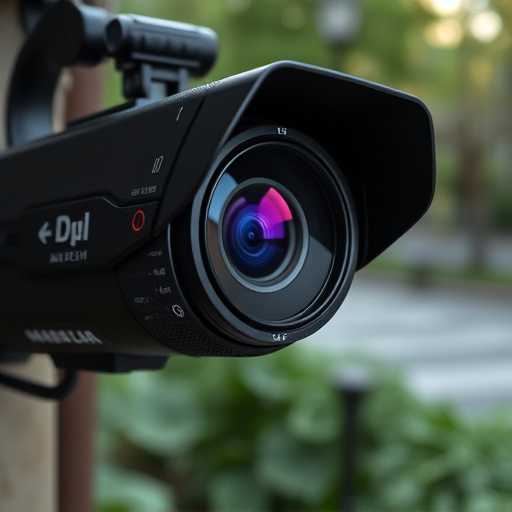
In the digital age, spy camera technology integrated with artificial intelligence (AI) has advanced significantly, allowing for subtle yet powerful surveillance in various settings: homes, offices, public spaces, and more. These AI-enabled cameras offer features like facial recognition, motion detection, and object identification, providing enhanced security while maintaining a discreet presence. While they ensure peace of mind and optimize space use, concerns about privacy are rising, especially with widespread deployment in public areas. Proactive security measures are necessary to balance public safety with individual freedoms in an era of sophisticated spy camera integration.
In today’s digital age, the rise of hidden surveillance devices poses a subtle yet significant threat to privacy. From bustling home environments and office spaces to public places and transportation hubs, these miniature and increasingly sophisticated spy cameras are becoming more prevalent. This article explores common spots where such devices thrive, delving into advancements like miniaturization, AI-driven motion detection and facial recognition, and wireless connectivity. We also uncover the power of AI integration for enhanced surveillance, while providing practical tips on detection, prevention, and security measures to safeguard against covert surveillance.
- Common Areas for Hidden Surveillance Devices
- – Home environments
- – Office spaces
- – Public places and transportation hubs
Common Areas for Hidden Surveillance Devices
In today’s digital age, spy cameras and artificial intelligence (AI) integration have made it easier than ever to hide surveillance devices in common areas. These subtle yet powerful tools can be discreetly placed in various locations to capture footage or monitor activities. Some of the most frequent spots for such hidden devices include entryways and exits, where they can surveil who enters or leaves a premises; common gathering areas like break rooms or lounges, ideal for preventing unauthorized access or theft; and corridors or hallways, offering continuous monitoring along primary circulation routes.
Additionally, smart home systems often incorporate AI-enabled spy cameras, allowing for remote access and advanced features such as facial recognition or motion detection. These devices can be integrated seamlessly into everyday environments, like behind mirrors in bathrooms or inside false light fixtures in offices, making it nearly impossible for the average person to detect their presence. This growing trend raises important privacy concerns, underscoring the need for awareness and proactive security measures to protect personal and professional spaces.
– Home environments
In today’s digital era, the integration of spy cameras with artificial intelligence (AI) has revolutionized home security and surveillance. These advanced devices can be discreetly placed in various hidden spots within a home environment, offering unparalleled peace of mind for homeowners. AI-powered systems are capable of detecting unusual activities, recognizing faces, and even identifying specific objects, all while remaining virtually undetectable.
Common hiding places for such devices include above door frames, inside light fixtures, behind mirrors, or under furniture. With the right setup, these cameras can monitor entry points, common areas, and even bedrooms, providing a comprehensive security network. The AI component enhances privacy by filtering out innocuous activities, ensuring that alerts are only triggered when truly suspicious behavior is detected.
– Office spaces
In office spaces, the integration of Spy Cameras powered by Artificial Intelligence (AI) has become increasingly prevalent. These advanced devices offer more than just surveillance; they provide intelligent insights into workplace activities through features like motion detection, facial recognition, and real-time analytics. This not only enhances security but also aids in optimizing space utilization and employee productivity.
Common spots within offices where such hidden surveillance devices are often placed include near entry points, corridors, break rooms, and conference rooms. AI-integrated cameras can analyze foot traffic patterns, detect unusual behavior, and even alert authorities in case of suspicious activities. This technology allows businesses to maintain a safe environment while ensuring the confidentiality and integrity of sensitive information exchanged within the office walls.
– Public places and transportation hubs
In public places and transportation hubs, hidden surveillance device location is a growing concern due to the increasing integration of spy cameras powered by artificial intelligence (AI). These advanced systems are designed to monitor and analyze vast amounts of data in real-time, making it easier for authorities to identify suspicious activities. Common spots include high-traffic areas like train stations, airports, shopping malls, and city streets. AI-integrated spy cameras can capture high-resolution footage, recognize faces, and even predict potential crimes based on behavioral patterns—all while remaining virtually undetectable.
Transportation hubs, in particular, require constant surveillance to ensure the safety of passengers and prevent security breaches. Hidden cameras are strategically placed to cover blind spots and hard-to-reach areas, enhancing overall security measures. As AI technology continues to evolve, these surveillance systems become more sophisticated, raising important privacy considerations for citizens while offering crucial support to law enforcement agencies.
In today’s digital age, hidden surveillance devices have become increasingly sophisticated with the integration of spy cameras powered by artificial intelligence. Common areas such as home environments, office spaces, and public places like transportation hubs are hotspots for these concealed watchful eyes. Understanding these typical locations is crucial for staying vigilant and ensuring privacy in an era where technology can sometimes feel all-seeing.