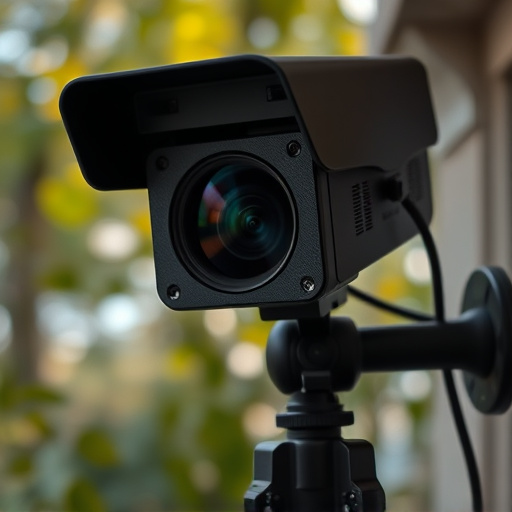
The integration of spy camera technology with artificial intelligence (AI) has transformed surveillance by offering motion detection, face recognition, and real-time alerts, enhancing security for homes, businesses, and monitoring. AI algorithms learn from patterns, improving accuracy over time. Disguised recording equipment should blend into its surroundings using innovative design and camouflage techniques like AI-driven adaptive camouflage. Strict adherence to privacy laws and ethical guidelines is essential, focusing on capturing only necessary footage. Effective deployment requires balancing legality with strategy, targeting high-risk areas with regular maintenance for optimal performance.
“Uncover the art of strategic hidden camera placement with our comprehensive guide. In an era where Spy Cameras and Artificial Intelligence (AI) integration are transforming surveillance, understanding subtle equipment positioning is key. This guide delves into the intricacies of selecting the perfect spots for your discreet devices. From identifying optimal locations to adhering to legal boundaries, we explore ‘key considerations’ to ensure effective and ethical implementation. Discover the best practices to maximize the power of Spy Camera AI Integration.”
- Understanding Spy Cameras and AI Integration
- Key Considerations for Disguised Equipment Placement
- Best Practices for Effective and Legal Implementation
Understanding Spy Cameras and AI Integration
Spy cameras, also known as hidden cameras or surveillance cameras, have evolved significantly with the integration of artificial intelligence (AI). These advanced devices are now equipped with AI capabilities that enhance their functionality and efficiency. For instance, AI-integrated spy cameras can automatically detect motion, recognize faces, and send alerts to users in real time.
The synergy between spy cameras and AI offers unparalleled levels of discretion and control. AI algorithms enable these devices to learn from patterns, improving their accuracy over time. Whether it’s for home security, business surveillance, or discreet monitoring, the combination of spy cameras and AI provides a robust solution. This technology allows users to maintain peace of mind by ensuring that their surroundings are constantly observed with minimal interference.
Key Considerations for Disguised Equipment Placement
When planning the placement of disguised recording equipment, several key considerations come into play. First and foremost, understanding the environment and target is crucial. Whether it’s a high-security facility or a public space, the equipment should blend seamlessly into its surroundings to avoid detection. This often involves utilizing innovative design and camouflage techniques, such as incorporating artificial intelligence for adaptive camouflage that changes with lighting conditions and surrounding objects.
Additionally, privacy laws and ethical guidelines must be strictly adhered to. Placement of hidden cameras should be done responsibly, ensuring they capture only what is necessary for the intended purpose without invading personal privacy. Spy camera technology, when integrated with AI, can enhance detection capabilities while minimizing false positives through advanced image recognition algorithms.
Best Practices for Effective and Legal Implementation
When implementing a disguised recording equipment strategy, it’s crucial to balance effectiveness with legality. Best practices involve discreetly integrating spy camera technology into environments while adhering to local laws and privacy regulations. Artificial Intelligence (AI) integration enhances both discretion and accuracy; advanced AI algorithms can analyze footage in real-time, detecting faces, license plates, and specific behaviors, ensuring only relevant data is captured and stored securely.
Placement strategies should consider areas prone to security breaches or where illegal activities are more prevalent. Disguised cameras can be positioned near entry points, common gathering areas, or equipment rooms, appearing as everyday objects like fire alarms, light switches, or even decorative items. Regular maintenance and updates of the system are essential to ensure optimal performance and data integrity, making it a robust and legal tool for enhancing security measures.
Disguising recording equipment, whether for security or surveillance purposes, requires a thoughtful approach. By integrating Spy Cameras with Artificial Intelligence, you can enhance privacy protection and data analysis. When strategically placing these devices, consider environmental factors, potential line-of-sight obstructions, and legal implications to ensure optimal performance while adhering to ethical guidelines. Implementing best practices will enable efficient management of hidden cameras, fostering a safer and more informed environment.