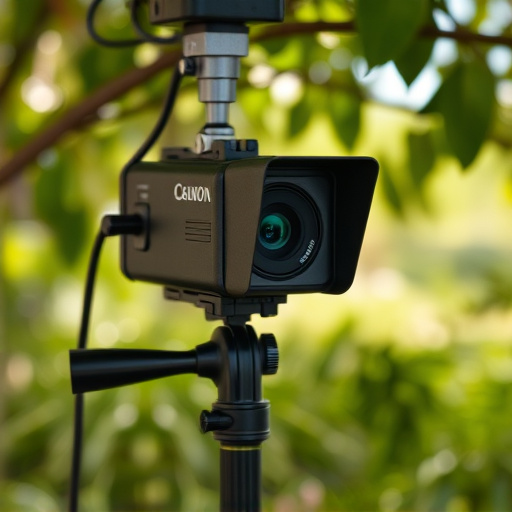
The integration of Spy Camera Artificial Intelligence Integration has revolutionized surveillance, offering advanced real-time analysis through machine learning algorithms that adapt to lighting conditions. Strategically placed behind mirrors, these AI cameras provide discreet monitoring, capturing both reflected and actual scenes, enhancing security in homes and commercial settings. Setup requires careful consideration of lighting and placement for optimal performance, while ethical considerations include data privacy, algorithmic bias, and legal frameworks governing their use to balance security needs with privacy rights.
Uncover the art of discreet surveillance with our guide on spy camera behind mirror location tips. In an era driven by advanced technology, integrating Spy Camera Artificial Intelligence Integration offers unprecedented insights. This article delves into the strategic placement of hidden cameras behind mirrors, a tactic that combines stealth and cutting-edge AI for optimal performance. From technical considerations to ethical implications and legal guidelines, we explore everything you need to know for successful implementation.
- Understanding Spy Camera Artificial Intelligence Integration
- Choosing the Ideal Location Behind a Mirror
- Technical Considerations for Optimal Performance
- Ethical Implications and Legal Guidelines
Understanding Spy Camera Artificial Intelligence Integration
The integration of artificial intelligence (AI) in spy cameras has revolutionized surveillance technology, offering advanced capabilities and improved performance. AI-powered spy cameras can analyze footage in real-time, detecting and identifying objects, people, or specific behaviors, making them highly efficient for security purposes. This technology enables the camera to learn from its environment, adapt to lighting conditions, and reduce false alerts, ensuring accurate and consistent surveillance.
By leveraging machine learning algorithms, these cameras can recognize patterns, track movements, and even predict potential threats. The Spy Camera Artificial Intelligence Integration allows for more effective monitoring, providing users with valuable insights and data-driven decisions. This advancement in AI technology makes spy cameras smarter, more adaptive, and capable of handling complex security challenges.
Choosing the Ideal Location Behind a Mirror
When selecting the perfect spot for a spy camera behind a mirror, consider its artificial intelligence integration capabilities. The optimal location offers unobstructed views while ensuring minimal detection—a delicate balance that AI-enabled cameras excel at achieving. These advanced devices can analyze and adapt to their surroundings, making them ideal for discreet surveillance.
The back of a mirror provides an excellent opportunity for placement, as it allows the camera to capture footage without drawing attention. A strategic position near the mirror’s edge can offer a wide field of view, capturing both the reflected image and the actual scene behind it. This dual-aspect monitoring is particularly useful in various scenarios, from home security to commercial settings, thanks to the Spy Camera Artificial Intelligence Integration feature.
Technical Considerations for Optimal Performance
When setting up a spy camera behind a mirror, technical considerations are crucial for achieving optimal performance. One key aspect is ensuring proper lighting conditions. The camera’s sensors require adequate illumination to capture clear and detailed footage. Natural light or well-placed artificial lighting can significantly enhance image quality. Additionally, incorporating Spy Camera Artificial Intelligence Integration technology can further improve results. AI algorithms can analyze and process images in real-time, enhancing features like motion detection, face recognition, and object tracking.
The placement of the mirror itself also plays a strategic role. Aligning it with the camera’s field of view ensures maximum coverage without compromising privacy. Reflective surfaces can provide multiple viewing angles, allowing for versatile surveillance. Moreover, consider the camera’s resolution and frame rate settings. Higher resolutions deliver sharper images, while higher frame rates enable smoother video playback, crucial for capturing fast-moving activities without blurring.
Ethical Implications and Legal Guidelines
The use of spy cameras, especially with the integration of artificial intelligence (AI), raises important ethical considerations and legal guidelines that must be addressed. As technology advances, the capability to surreptitiously record and analyze data becomes increasingly sophisticated. This presents challenges in balancing privacy rights and security needs.
Many countries have established legal frameworks to govern the use of surveillance technologies, including spy cameras. These regulations often dictate the circumstances under which such devices can be employed, who is authorized to access the recorded footage, and the consequences for unauthorized or malicious use. With AI integration, ethical guidelines must also consider data privacy, algorithmic bias, and the potential for misuse or unintended consequences. It’s crucial to ensure that spy camera systems are used responsibly, respecting individual privacy while enhancing security measures through legal and transparent means.
In conclusion, the strategic placement of spy cameras behind mirrors offers a unique opportunity to enhance security and surveillance while leveraging the advancements in Spy Camera Artificial Intelligence Integration. By understanding the technical aspects and ethical considerations outlined in this article, individuals can make informed decisions when choosing the ideal location for these devices, ensuring optimal performance and compliance with legal guidelines.