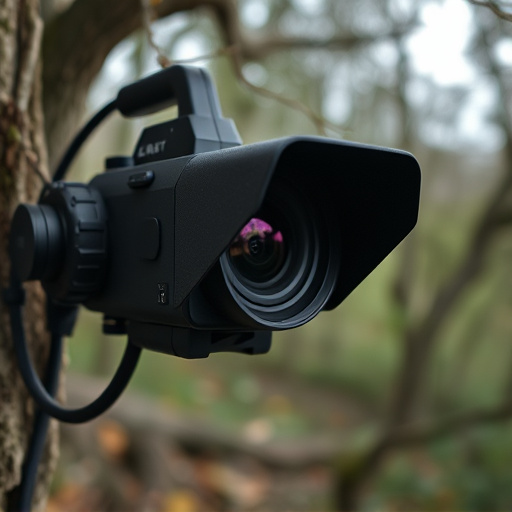
Spy Camera Artificial Intelligence (AI) Integration dramatically enhances covert monitoring by leveraging machine learning for real-time activity analysis, detecting unusual behaviors and reducing human oversight needs. Strategically placed AI cameras offer advanced features like object and face recognition while remote management ensures discreet security solutions undetected. Ethical deployment requires transparency, needs assessments, discreet placement, effective data analysis, and regular protocol updates to maintain trust and adapt to privacy norms.
“Uncover the power of covert monitoring with our comprehensive guide on professional spy camera placement. In an era driven by Artificial Intelligence (AI) integration, understanding how advanced spy cameras function is paramount. This article delves into the strategic deployment of these systems for enhanced security and surveillance.
From ‘Understanding Spy Camera Artificial Intelligence Integration’ to ‘Ethical Considerations,’ we explore best practices for successful implementation. Learn professional placement strategies that ensure discreet yet effective monitoring.”
- Understanding Spy Camera Artificial Intelligence Integration
- Professional Placement Strategies for Covert Monitoring Systems
- Ethical Considerations and Implementation Best Practices
Understanding Spy Camera Artificial Intelligence Integration
The integration of Spy Camera Artificial Intelligence (AI) represents a significant leap forward in covert monitoring systems. This advanced technology harnesses machine learning algorithms to analyze and interpret live video feeds, enabling more accurate detection of suspicious activities. Unlike traditional surveillance methods, AI-integrated spy cameras can learn from patterns, identify anomalies, and even predict potential threats, significantly enhancing security measures.
By leveraging deep learning techniques, these intelligent cameras can autonomously differentiate between regular and unusual behaviors, such as loitering or unauthorized access attempts. This not only improves the efficiency of monitoring but also reduces the reliance on constant human oversight. With AI’s ability to process vast amounts of data in real-time, it becomes a powerful tool for professionals seeking to implement robust and adaptive security systems.
Professional Placement Strategies for Covert Monitoring Systems
In the realm of professional covert monitoring systems, effective placement strategies are key to ensuring optimal performance and data collection. One innovative approach involves integrating Spy Camera Artificial Intelligence (AI). By deploying AI-powered cameras in strategic locations, such as hidden within everyday objects or seamlessly integrated into existing infrastructure, professionals can capture high-quality footage while maintaining discretion. This integration allows for advanced features like object recognition, face detection, and real-time analytics, enhancing the system’s effectiveness.
Placement considerations should encompass both physical and digital elements. Physically, cameras should be positioned to maximize coverage without drawing attention. This might involve installing them in hard-to-see areas or using innovative design elements that blend seamlessly into the environment. Digitally, leveraging AI enables remote management and monitoring, allowing professionals to adjust settings, access recordings, and analyze data from a secure distance. This strategic combination of physical placement and digital intelligence ensures covert monitoring systems remain undetected while delivering robust security solutions.
Ethical Considerations and Implementation Best Practices
When implementing a covert monitoring system, it’s paramount to navigate ethical considerations and best practices for optimal results and stakeholder acceptance. The use of spy cameras, especially when integrated with artificial intelligence (AI), raises privacy concerns that must be addressed upfront. Transparency is key; individuals should be made aware of surveillance systems’ presence and purpose to maintain trust and avoid legal pitfalls.
Best practices dictate a thorough needs assessment to determine the most effective placement strategies for spy cameras. Discretionary positioning, coupled with AI’s ability to analyze vast data sets, ensures minimal disruption while maximizing security. Regular reviews and updates to monitoring protocols are essential to adapt to evolving technological capabilities and societal norms surrounding privacy.
The integration of spy camera artificial intelligence (AI) represents a significant leap forward in covert monitoring, offering enhanced capabilities for professionals. By leveraging AI, these systems can analyze vast amounts of data, improve accuracy and efficiency, and provide valuable insights. Implementing these advanced tools requires strategic placement, as outlined in this guide, to ensure optimal performance while navigating ethical considerations. Adhering to best practices will help professionals harness the power of spy camera AI integration for effective, responsible monitoring solutions.