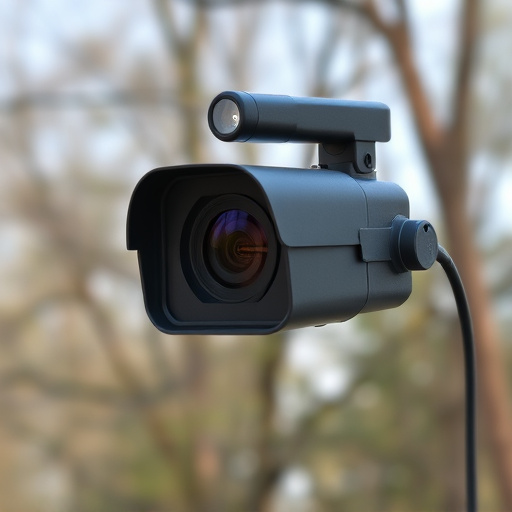
Optical sensor detection, powered by Spy Camera Artificial Intelligence (AI) integration, revolutionizes surveillance technology. These advanced systems process real-time data for improved object/facial recognition, motion detection, and scene understanding, enhancing security measures across sectors. Through deep learning models trained on extensive datasets, AI algorithms adapt to recognize patterns and anomalies, automating operations, reducing human error, and ensuring no threats are missed. Implementing these methods requires strategic training, specialized tools, and a methodical sweep process while maintaining discretion and adhering to legal/ethical standards.
Unveiling the intricacies of optical sensor detection, this article delves into its pivotal role in spy camera technology. We explore how artificial intelligence (AI) integration revolutionizes advanced camera systems, enhancing their capability to conduct comprehensive sweep methods. From understanding sensor functionalities to implementing professional practices, we dissect effective strategies for leveraging AI in spy camera systems. Discover the impact of this fusion on security and surveillance, as we navigate the future of stealthy yet sophisticated observation.
- Understanding Optical Sensor Detection and Its Role in Spy Camera Technology
- The Impact of Artificial Intelligence on Advanced Camera Systems
- Integrating AI for Enhanced Spy Camera Sweep Methods
- Professional Practices and Considerations for Effective Implementation
Understanding Optical Sensor Detection and Its Role in Spy Camera Technology
Optical sensor detection is a critical component in spy camera technology, enabling devices to capture high-resolution images and videos discreetly. These sensors play a pivotal role in the advanced capabilities of modern surveillance equipment, especially with the integration of artificial intelligence (AI). By leveraging AI algorithms, optical sensors can process vast amounts of data in real time, enhancing image clarity, detecting movement, and identifying specific objects or individuals within a scene.
This technology ensures that spy cameras are not just passive recorders but active observers, capable of intelligent decision-making. The role of optical sensor detection extends beyond mere observation; it facilitates proactive monitoring, allowing users to receive alerts based on predefined criteria, such as facial recognition or object detection. Such advancements in spy camera technology have far-reaching implications, from enhancing security measures to aiding in investigative operations, all thanks to the precise and intelligent data collection made possible by optical sensors and AI integration.
The Impact of Artificial Intelligence on Advanced Camera Systems
The integration of artificial intelligence (AI) into advanced camera systems has revolutionized the field, especially in the context of spy cameras. AI algorithms can enhance image and video processing capabilities, enabling more accurate and efficient object detection and recognition. By leveraging machine learning techniques, these systems can adapt and improve over time, ensuring better performance in various environments.
This technology allows for sophisticated features like real-time facial recognition, motion detection, and intelligent scene understanding. The Spy Camera Artificial Intelligence Integration optimizes data analysis, making it possible to capture high-quality footage discreetly and accurately. As a result, professionals in fields such as security, surveillance, and law enforcement have witnessed significant improvements in their operations’ effectiveness and discretion.
Integrating AI for Enhanced Spy Camera Sweep Methods
The integration of AI into spy camera sweep methods has revolutionized the field, enabling more efficient and accurate detection. By leveraging machine learning algorithms, these systems can analyze vast amounts of data from surveillance footage in real-time, identifying and flagging suspicious activities or hidden cameras that might go unnoticed by human operators. This technology is particularly useful in high-risk environments where subtle visual cues can indicate covert observation.
AI-driven spy camera detection utilizes deep learning models trained on extensive datasets to recognize patterns and anomalies within video frames. These models can adapt to new scenarios, improving their performance over time. The ability to automate the sweep process reduces human error, increases operational speed, and ensures that no potential threats are overlooked. This advanced approach is transforming security protocols, making it easier to maintain a safe and private environment in both public and private spaces.
Professional Practices and Considerations for Effective Implementation
Implementing professional optical sensor detection methods requires a strategic approach, especially with the integration of spy camera artificial intelligence (AI). First and foremost, thorough training is essential for technicians to ensure they can accurately identify potential sensors, understanding their various forms and advanced features. This involves staying updated on the latest technology trends, as hidden cameras have evolved significantly due to AI’s role in enhancing image quality and reducing file sizes.
Effective implementation also demands a methodical sweep process. Technicians should employ specialized tools and software designed to detect optical sensors, leveraging AI algorithms that can analyze vast amounts of data swiftly. Additionally, maintaining a high level of discretion is vital during operations; professionals must adapt their techniques to diverse environments while adhering to legal guidelines and ethical standards to avoid any privacy breaches.
In conclusion, the integration of artificial intelligence (AI) into spy camera technology has revolutionized optical sensor detection methods. Understanding these advancements is crucial for professionals seeking to enhance surveillance capabilities. By combining AI with advanced camera systems, effective sweep techniques can be achieved, ensuring optimal results in various applications. This evolving landscape demands continuous professional development and adaptation to stay ahead in the field of spy camera artificial intelligence integration.